Jim Crow Museum
1010 Campus Drive
Big Rapids, MI 49307
[email protected]
(231) 591-5873

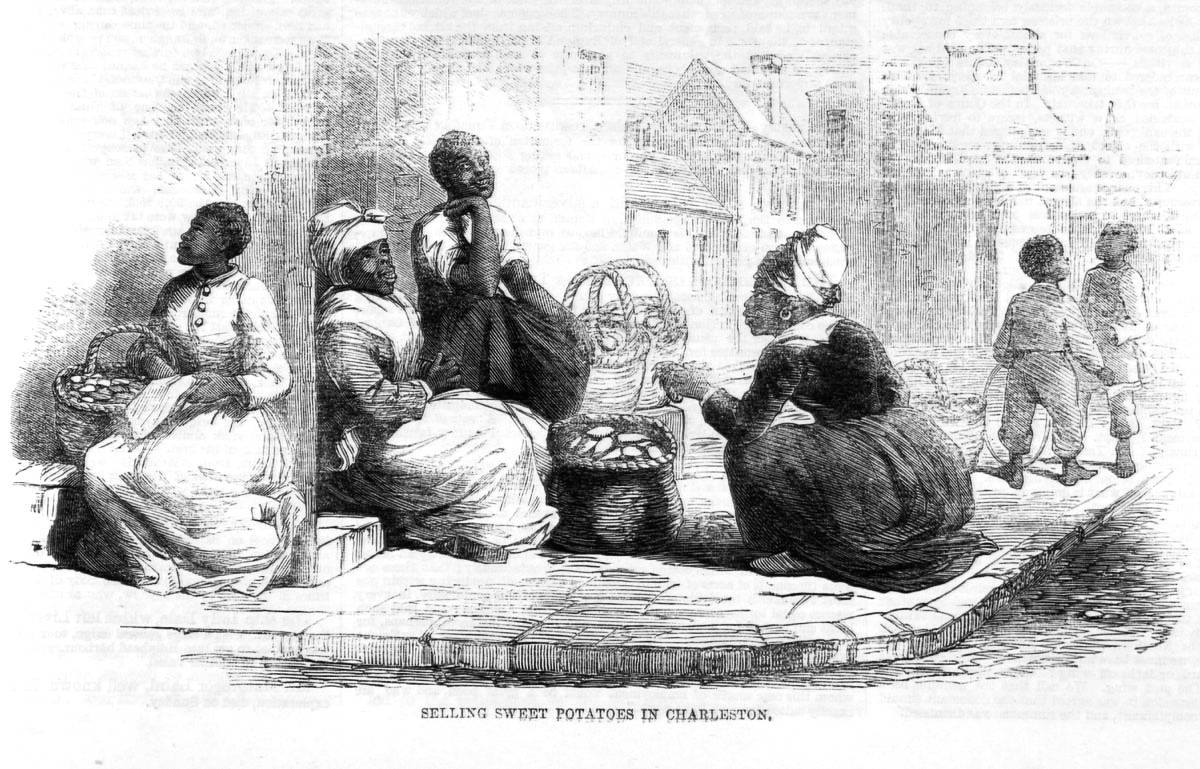
Q: I’ve noticed that sweet potato pie is a big part of southern Black diet. Why is
this??
Stephen M.
Minneapolis, MN
A: The preference for sweet potato pie within many Black American communities is not a matter of taste alone. It is a story shaped by history, agriculture, memory, and the preservation of identity through food. To understand why sweet potato pie holds a special place in Black households, especially in the American South, one must trace its origins through the intertwined histories of African foodways, enslavement, and the development of African American cuisine.
Long before pie was baked in American ovens, West and Central African cuisines embraced a range of starchy, subtly sweet root vegetables such as yams, cassava, and plantains. These ingredients formed the backbone of both everyday meals and ceremonial dishes. When enslaved Africans were forcibly brought to the American South, they encountered the sweet potato: a plant that, while botanically different from African yams, shared many of their familiar qualities. Soft, mildly sweet, and adaptable, the sweet potato became an immediate and meaningful culinary bridge between the old world and the new. Enslaved cooks, drawing from memory and technique, began transforming sweet potatoes into puddings, mash preparations, and eventually baked desserts that would evolve into the iconic sweet potato pie.
Agriculture played an equally pivotal role. Sweet potatoes flourished in the Southern climate, proving easier to cultivate, store, and prepare than the sugar pumpkins favored by European settlers. While pumpkins did grow in the South, they were more closely associated with Northern European cooking practices and had already taken root in white American holiday traditions. Enslaved people, who often had limited access to more refined ingredients, relied heavily on what was plentiful and attainable, and sweet potatoes became a reliable staple of the enslaved larder.
Over generations, sweet potato pie developed into more than a dessert. It became a vessel of memory and cultural agency. Within Black communities, especially across the South, sweet potato pie came to symbolize home, warmth, and celebration. Families guarded recipes, adapting them over time, and passed them through generations as treasured heirlooms of flavor and identity. While pumpkin pie emerged as a national symbol of Thanksgiving, sweet potato pie maintained its place at the center of Black festive life, woven into Sunday dinners, holiday gatherings, and community events.
Thus, the preference for sweet potato pie in Black American households is rooted in a long lineage of adaptation, resilience, and cultural preservation. It is a reflection of how African culinary traditions were reshaped under the conditions of slavery, how agricultural realities influenced food choices, and how Black cooks carved out distinct culinary identities within, and often in spite of, America’s broader cultural narrative. Today, the dish remains not only beloved but emblematic of the enduring strength and creativity of Black American food traditions.
David Pilgrim
Jim Crow Museum
2026
References
Carney, Judith A. Black Rice: The African Origins of Rice Cultivation in the Americas. Harvard University Press, 2001. (Useful for agricultural context and African foodways.)
Counihan, Carole, and Penny Van Esterik, editors. Food and Culture: A Reader. Routledge, 2012.
Edge, John T. “The Sweet Potato Pie in America’s Southern Table.” Oxford American, No. 99, 2017.
Harris, Jessica B. High on the Hog: A Culinary Journey from Africa to America. Bloomsbury, 2011.
Miller, Adrian. Soul Food: The Surprising Story of an American Cuisine, One Plate at a Time. University of North Carolina Press, 2013.
Opie, Frederick Douglass. Hog and Hominy: Soul Food from Africa to America. Columbia University Press, 2008.
Smith, Andrew F. The Oxford Encyclopedia of Food and Drink in America. Oxford University Press, 2013.
Twitty, Michael W. The Cooking Gene: A Journey Through African American Culinary History in the Old South. Amistad, 2017.
Williams-Forson, Psyche A. Building Houses out of Chicken Legs: Black Women, Food, and Power. University of North Carolina Press, 2006.
Witt, Doris. “Soul Food and the Politics of Identity.” Southern Cultures, vol. 17, no. 4, 2011.